




UK Plug-In Solar Power: How It Works & What You Need to Know


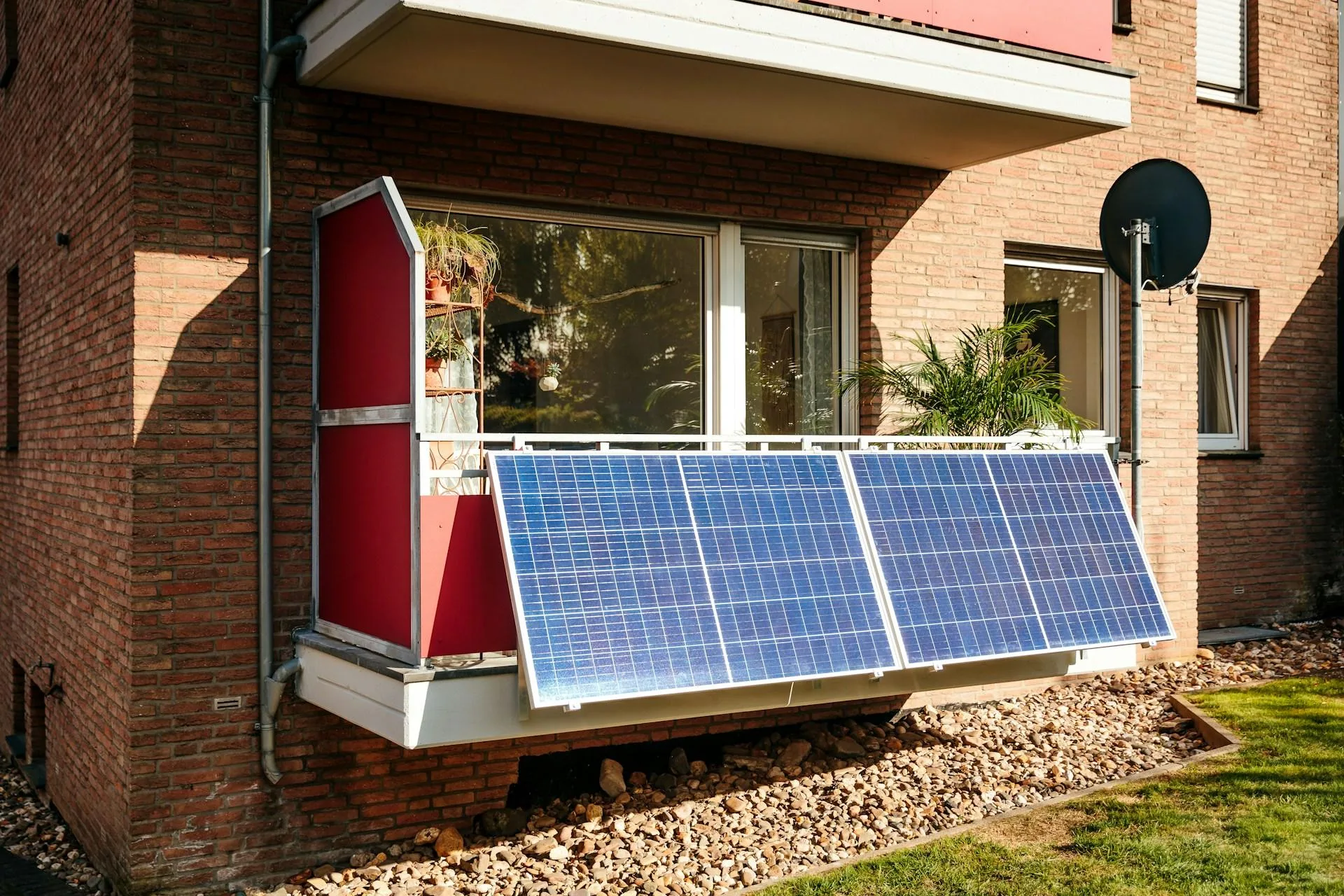
Generating your own clean energy doesn't require spending thousands of pounds on rooftop arrays and permanent installations. In August 2026, the UK government passed legislation (SI 2026/848) making plug-in solar systems fully legal to self-install.
But before you get all excited and order a plug-in solar kit, you might be asking: How do plug-in solar panels work? What are the legal boundaries for plug-in solar? And is it even possible to install them without an electrician? You are in the right place to get answers to your questions. Let's break down all you need to know about plug-in solar power in the UK.
What is plug-in solar and how do plug-in solar panels work?
A plug-in solar kit is like a mini power station for home use that you can install in a garden or on a balcony. A UK plug-in solar kit is usually compact and connects directly to a standard UK three-pin socket. But how do plug-in solar panels work in practice?
Here is a simple breakdown of how plug-in solar panels power your home:
1. Generation: Plug-in solar panels absorb sunlight to produce Direct Current (DC) power.
2. Conversion: The generated DC must be converted using a microinverter to Alternating Current (AC) to power household appliances. For example, a premium microinverter such as the Hoymiles HiFlow or HiFlowPro converts the raw DC into grid-compliant 230V AC electricity.
3. Connection: The converted AC power travels through a cable, and once plugged in, solar energy enters directly into a standard three-pin wall socket.
4. Consumption: By taking the path of least resistance, the electricity feeds the local circuit instantly to power household appliances.
Is plug-in solar legal in the UK?
Since 27 August 2026, UK plug-in solar systems are legal to buy and self-install in the UK. The updated wiring rules (BS 7671 Amendment 4) allow households to connect plug-in solar systems up to 800W directly into a standard three-pin socket. However, households are:
● Limited to one unit per household circuit;
● Must plug directly into the wall without extension leads or adaptors.
No MCS required: The legal rules for UK plug-in solar power

As explained above, it's fully legal to self-install plug-in solar systems. Unlike traditional hardwired rooftop systems, which require an MCS (Microgeneration Certification Scheme)-accredited installer, households simply submit a form (G98 notification) to their local grid operator within 28 days to inform them about their new power source.
However, even when self-installing, the equipment must comply with G98 and Part P electrical safety rules. For example, the microinverter must feature automatic safety shutdowns. A dependable microinverter, like the Hoymiles HiFlow, contains all the necessary G98-compliant safety shut-offs. This ensures that plug-in solar panels for homes meet UK grid standards right out of the box.
Plug-in solar panels for home: Where can you install them?
The compact design of UK plug-in solar panels for home makes them easy to install anywhere without scaffolding and roof modifications, as long as they are placed in a spot with decent sunlight and a nearby socket. Here are the most common installation spots for plug-in solar panels:
● Balconies and terraces: Perfect for flat owners. Compact plug-in panels can be mounted onto balcony railings or outer walls.
● Sheds, garages and garden lawns: For households with an open space, these are perfect placements to get maximum solar exposure without climbing onto a house roof.
● Rental properties: Since plug-in solar kits are easy to install without permanent wiring, renters can simply unplug everything and pack it up wherever they go.
The 800W power limit: Why it exists and what it means for you
While it's legal to have and install plug-in solar kits in the UK, they must be strictly capped at 800W. But why 800W specifically?
Well, this limit exists for three key reasons:
➔ Electrical safety: Standard UK wall sockets are designed for a maximum load. This means that feeding back 800W (around 3.5 amps) won't overload the household's wiring.
➔ Grid stability: Without capping the power, we risk destabilizing local power networks. Just imagine unregulated energy spikes feeding back at once from thousands of homes. The national grid will be overwhelmed.
➔ Consumer simplicity: The 800W power cap makes plug-in solar kits a DIY product in the UK. Otherwise, households will be legally obligated to hire a professional electrician for the installation.
So, what does 800W actually mean for households? Well, it means that plug-in solar panels for the home won't power heavy-duty electric appliances. However, 800W is more than enough to handle baseline loads such as refrigerators, Wi-Fi routers, and laptops.
Is plug-in solar worth it for UK homes?
While a plug-in solar system can't replace a full rooftop system or power your home completely off-grid, it surely makes clean energy accessible to UK homes where traditional roof installations aren't feasible or affordable.
Depending on weather conditions, an 800W plug-in solar system can generate roughly 600 to 750 kWh of electricity per year. This can translate to £150–£200+ per year off your utility bills. And you get cleaner power on top of that!


Subscribe to our newsletter and get the latest news!