




What to Know Before You Buy Plug-In Solar Panels in the UK


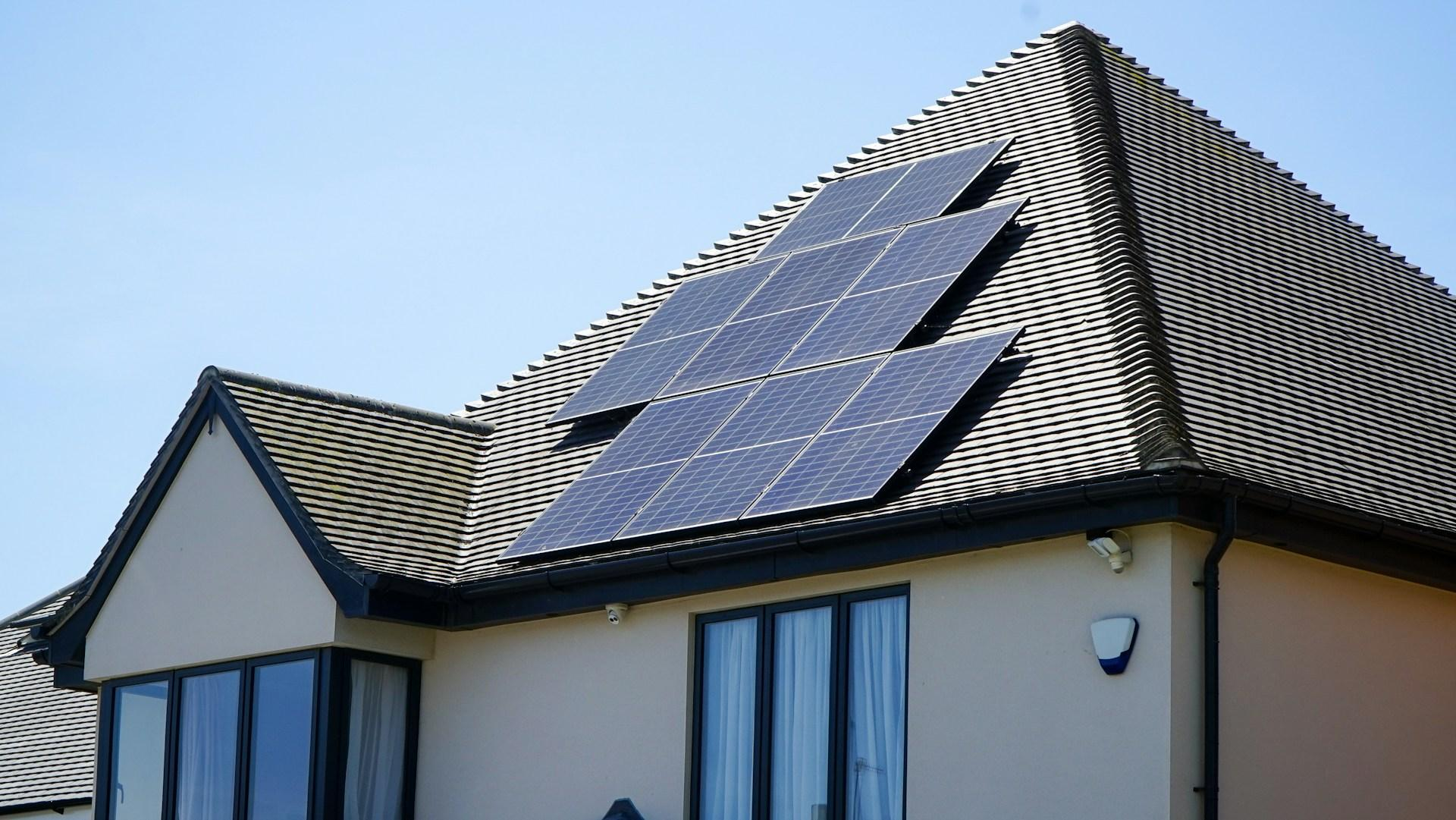
Plug-in solar is now legal across Great Britain, and kits are landing on high street shelves. With a 400 pound plug-in solar setup becoming a realistic entry point and potential savings of up to £110 a year, it is an accessible way to offset rising electricity bills. However, generating your own power is not quite as simple as plugging in a toaster.
The decision to buy comes down to three critical factors: matching the capacity to your actual daytime usage, choosing the right microinverter, and knowing exactly where you can legally and safely install the hardware.

What Can You Actually Buy? Plug-In Solar Kits Explained
Since 27 August 2026, UK households have been legally allowed to plug solar directly into a standard 13A wall socket. The rules are strict but simple: you are allowed a maximum of 800W AC output per household, and you can only connect one plug-in device per property.
When you buy plug in solar panels for home use, you are generally looking at a standardised kit. A typical package includes one or two solar panels, a microinverter, mounting brackets, and a standard UK plug. As market competition grows, the standard price reality is expected to settle between £400 and £600, though early adopters can already find some introductory kits priced between £299 and £468.
Matching Capacity to Your Household Needs
An 800W system is not going to run your electric oven or charge your EV, but it is highly effective at covering the continuous background draw of your home. At peak midday generation, 800W can comfortably power a fridge-freezer, a Wi-Fi router, a TV, and a couple of laptops simultaneously—covering roughly 20% of an average UK home’s total electricity use.
The golden rule with plugin solar panels is "use it or lose it." The power must be consumed as it is generated. Unlike larger, hardwired rooftop systems, there is generally no export payment for excess energy sent back to the grid from a plug-in kit unless you have a specific tariff arrangement. Because of this, these systems deliver the highest financial return for people who actually use electricity during daylight hours—such as remote workers, retirees, or families with high daytime activity.
Choosing the Right Microinverter: Why It Matters More Than the Panels
While the solar panels capture the sunlight, the microinverter is the true engine of your system. It converts the raw DC power generated by the panels into the AC power your house uses, and crucially, it physically caps the output at 800W to ensure complete grid safety and compliance.
To be legal in the UK, your microinverter must be G98 certified and listed on the Energy Networks Association (ENA) public register. Cutting corners on the inverter compromises the safety and efficiency of your entire setup. When evaluating your options, Hoymiles microinverters and residential energy storage systems stand as the professional standard, offering reliability and advanced safety features right out of the box.
Depending on your mounting situation, you will need a microinverter that matches your layout:
● Two panels facing the same direction: The Hoymiles HiFlow 800 is the ideal solution. It is a dual-input, 800VA unit with an IP67 waterproof rating and a 97% peak efficiency, meaning very little captured sunlight is wasted during the conversion process.
● Two panels facing different directions: If your space requires one panel to face East and the other South, the Hoymiles HiFlow Pro 800 is engineered specifically for this. It features dual Maximum Power Point Trackers (MPPTs), which allow each panel to operate independently, maximizing your yield across irregular mounting setups.
Where Can You Install? Balconies, Gardens and Rentals
The appeal of diy solar panels uk kits is their sheer versatility, but location is everything.
If you live in an apartment, balcony solar power is the most common application. Panels can be secured to metal railings or external walls, feeding directly into a weatherproof outdoor socket. For houses with limited roof space, gardens and sheds offer fantastic alternatives. You can use ground-mount frames on a lawn or wall-mount them on a sturdy outbuilding, provided you have a safe, IP66-rated outdoor socket nearby.
Renters need to be particularly careful. While these are not permanent rooftop installations, you still need explicit consent from your landlord or the building's freeholder before securing any hardware to external walls or railings.
Certain locations are strictly off-limits. You cannot mount these systems on buildings with combustible cladding, and listed buildings or homes in conservation areas will still require planning consent. Finally, avoid north-facing or heavily shaded spots entirely; small solar panels need direct, unshaded southern, eastern, or western exposure to generate meaningful power.
Costs, Savings and Realistic Payback
The financials of plug-in solar are highly predictable. The upfront cost for a quality system sits firmly in the £400–£600 bracket, though premium kits with highly efficient panels may push slightly higher.
In return, the average UK household can expect annual savings between £70 and £110 simply by offseting daytime grid usage. If you are on a highly progressive energy plan, such as certain Octopus tariffs that allow you to pair plug-in generation with an export rate, those annual savings can stretch up to £150. At a £400 purchase price, a well-placed system pays for itself in roughly four to five years, leaving you with a decade or more of free daytime electricity.
Plug-in solar is ultimately a highly effective daytime bill-reduction tool, rather than a total home energy solution. The key to a successful investment is to realistically match the kit size to your daytime usage and to ensure you never oversize your panels beyond what your 800W microinverter can safely process. Focus on high-quality conversion, mount the panels where the sun actually hits, and let the system quietly chip away at your electricity bill every time the sun comes out.


Subscribe to our newsletter and get the latest news!